Open 24/7, Monday to Sunday | Serving Farmington since 2015(989) 934-7850
Lucinda Dumpster RentalDumpster Rental Farmington, MI

Local debris service

Dumpster Rental Farmington, MI

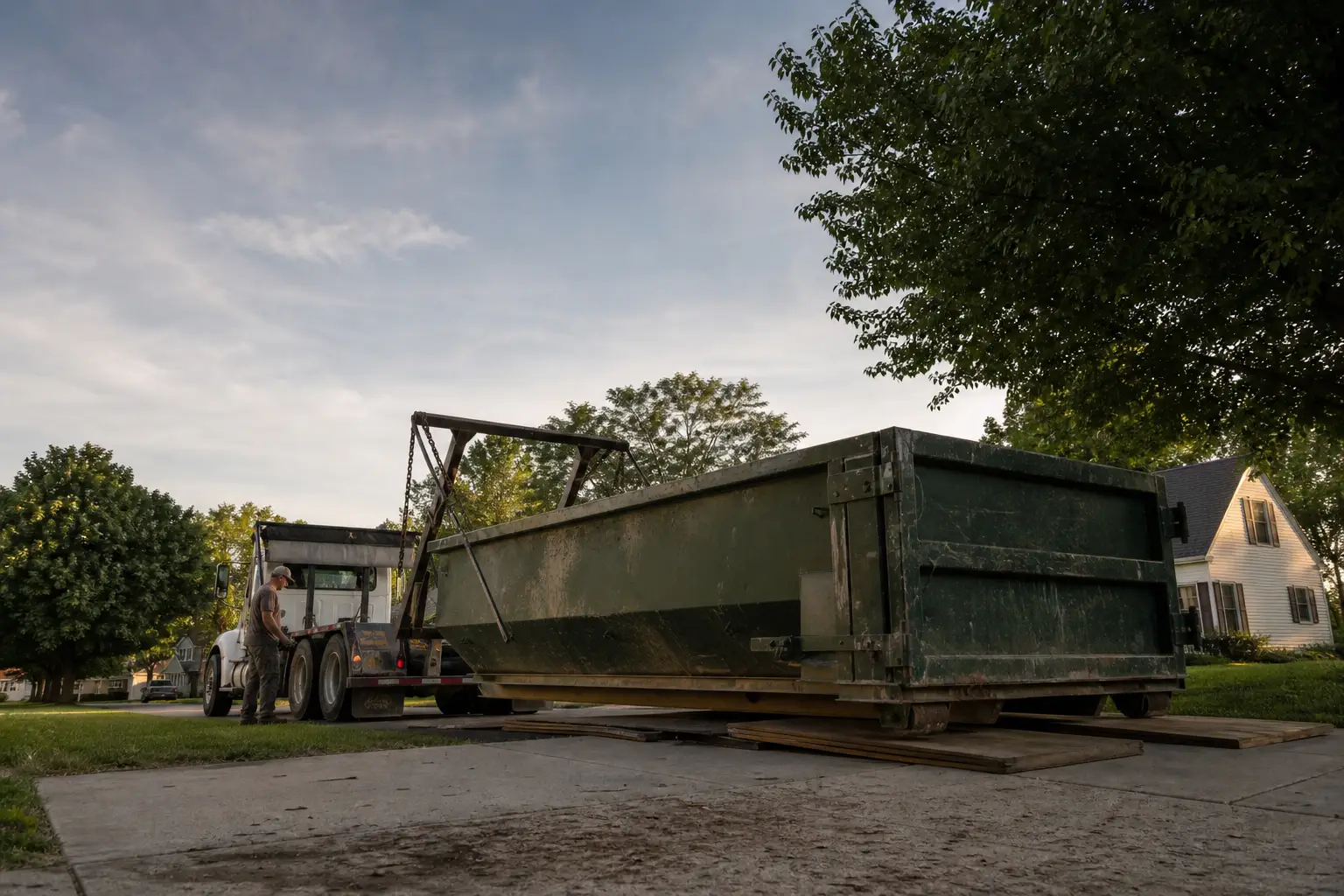
Lucinda Dumpster Rental confirms placement before delivery, with documented driveway protection for your records.

Dumpster Rental Farmington, MI gives homeowners, contractors, landlords, and businesses a practical way to control debris during work. Lucinda Dumpster Rental helps choose the right container, checks the placement area, and coordinates delivery and pickup 24/7, Monday to Sunday. The right size depends on both volume and material weight.

  • Licensed, bonded and insured
  • Serving since 2015
  • 4184+ containers delivered
Dumpster Rental Farmington, MI

Choose the container by the job

A smaller container can save space, while heavy materials may require a lower fill level.

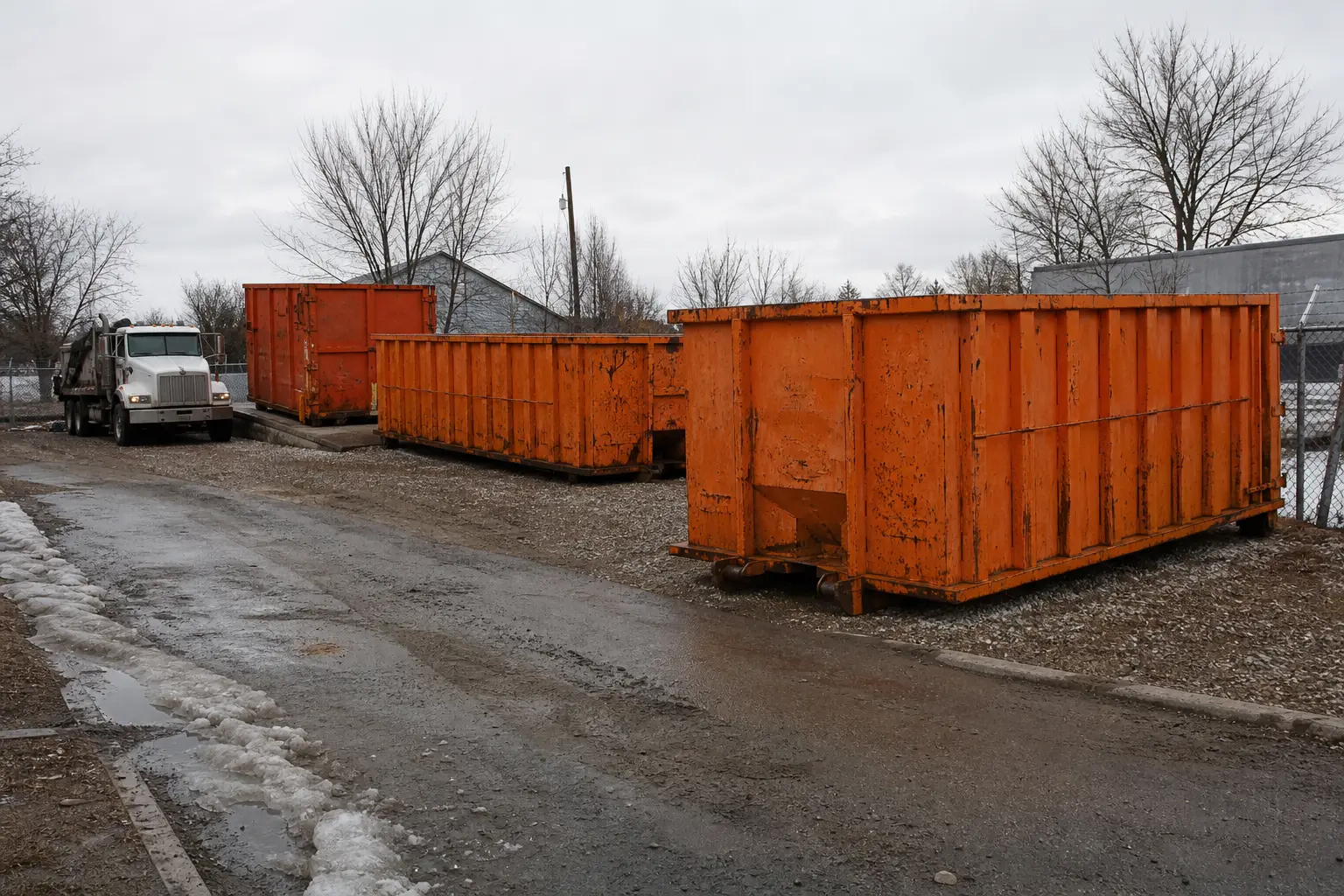
  • 0110 YardSmall bathroom renovations, garage cleanouts, light household debris
  • 0215 YardMedium room remodels, flooring removal, seasonal property cleanup
  • 0320 YardKitchen renovations, moving projects, larger residential cleanouts
  • 0430 YardMajor remodeling, roofing replacement, substantial construction debris
  • 0540 YardLarge commercial projects, demolition work, high-volume building materials
  • Open 24/7, Monday to Sunday
  • Serving Oakland County

Project options

Farmington dumpsters for cleanouts, remodeling, and construction

The best dumpster is the one that matches the material, loading pattern, and available space. These common job types help narrow the conversation before placement is planned.

  • Residential Cleanout Dumpsters

    Use a residential cleanout dumpster for garages, basements, attics, and move-out debris. Farmington homes may have limited driveway depth, so describe the access and the heaviest items before choosing a size. Keep prohibited materials separate and avoid loading above the container rim.

    Home cleanup
  • Home Renovation Dumpsters

    Remodeling creates uneven debris, including cabinets, drywall, flooring, packaging, and fixtures. A container keeps the work area usable while trades continue. Tell Lucinda Dumpster Rental whether the project is a bathroom, kitchen, or whole-room renovation because material volume and weight can differ considerably.

    Remodeling debris
  • Moving and Estate Cleanouts

    Moving and estate work often combines furniture, boxed belongings, shelving, and household materials. Sort anything being donated or retained before delivery. A clear driveway and a realistic description of bulky items help the crew plan placement without forcing usable space into a container unnecessarily.

    Move-out projects
  • Roofing Debris Dumpsters

    Roof replacement produces dense, heavy loads even when the material looks compact. Roofing debris should be discussed before selecting a container, particularly on older Farmington houses with narrow driveways or mature landscaping. Keep tear-off material contained and follow the agreed fill and weight limits.

    Roofing material
  • Yard Waste Dumpsters

    Branches, brush, sod, and seasonal yard debris take more room than homeowners expect. Cut long limbs down so they stack safely, and separate soil or rock from lighter vegetation. Tell the crew about fences, low branches, and soft ground before choosing a placement area.

    Yard cleanup
  • Same-Day Dumpster Delivery

    Same-day delivery depends on current route capacity, container availability, access, and a placement area that is ready. It cannot be promised for every request. If the work has already started, provide the address, material type, size preference, and site conditions so the crew can assess the request honestly.

    Urgent scheduling
  • Concrete and Heavy Material Dumpsters

    Concrete, brick, block, asphalt, and dirt can exceed a container’s practical weight long before it looks full. Use a dedicated discussion for these materials instead of treating them like household debris. Break large pieces where appropriate and explain the estimated thickness and area being removed.

    Heavy debris
  • Commercial Construction Dumpsters

    Commercial sites need a container plan that accounts for worker access, delivery lanes, equipment, changing debris volume, and pickup coordination. Farmington storefronts and corridor properties may have tighter staging areas than new construction lots. Share the site layout and loading sequence before scheduling.

    Commercial work
  • Recurring Business Waste Containers

    Businesses with continuing cleanouts, tenant turnover, repairs, or construction may need recurring container service. The useful plan covers placement, access, expected material, pickup frequency, and changes in volume. A recurring arrangement works best when the loading area stays clear for each scheduled visit.

    Ongoing service

Before booking

Dumpster Rental Farmington, MI: what to know before you book

Before you book Dumpster Rental Farmington, MI

Lucinda Dumpster Rental is the local crew for planned debris removal around Farmington, from a single garage cleanout to a contractor’s active remodeling site. The useful information is not just the container size. It is what you are loading, where the container can sit, how much room the truck needs, and whether the surface can handle the delivery. Farmington properties vary from compact neighborhood driveways to commercial lots along busy corridors. Those differences affect placement and access. Lucinda Dumpster Rental has served the area since 2015 and has delivered 4184 + containers. Availability is 24/7, Monday to Sunday, so the conversation can start around the actual work schedule rather than a narrow office window.

A dumpster is usually the straightforward choice when debris will be generated over several days and you can load it yourself. It may not be the cheapest answer for a few bulky items, and loose soil, concrete, brick, and roofing materials need a careful weight discussion before delivery. Lucinda Dumpster Rental explains those limits plainly, then coordinates the container around your driveway, alley, lot, or approved street position. Scheduled delivery windows include documented driveway protection and placement checks, so the agreed location is treated as part of the job. Have the material list, property address, preferred placement area, and approximate project dates ready when you speak with the crew.
Placement planning

Where a dumpster can safely sit on Farmington streets and driveways

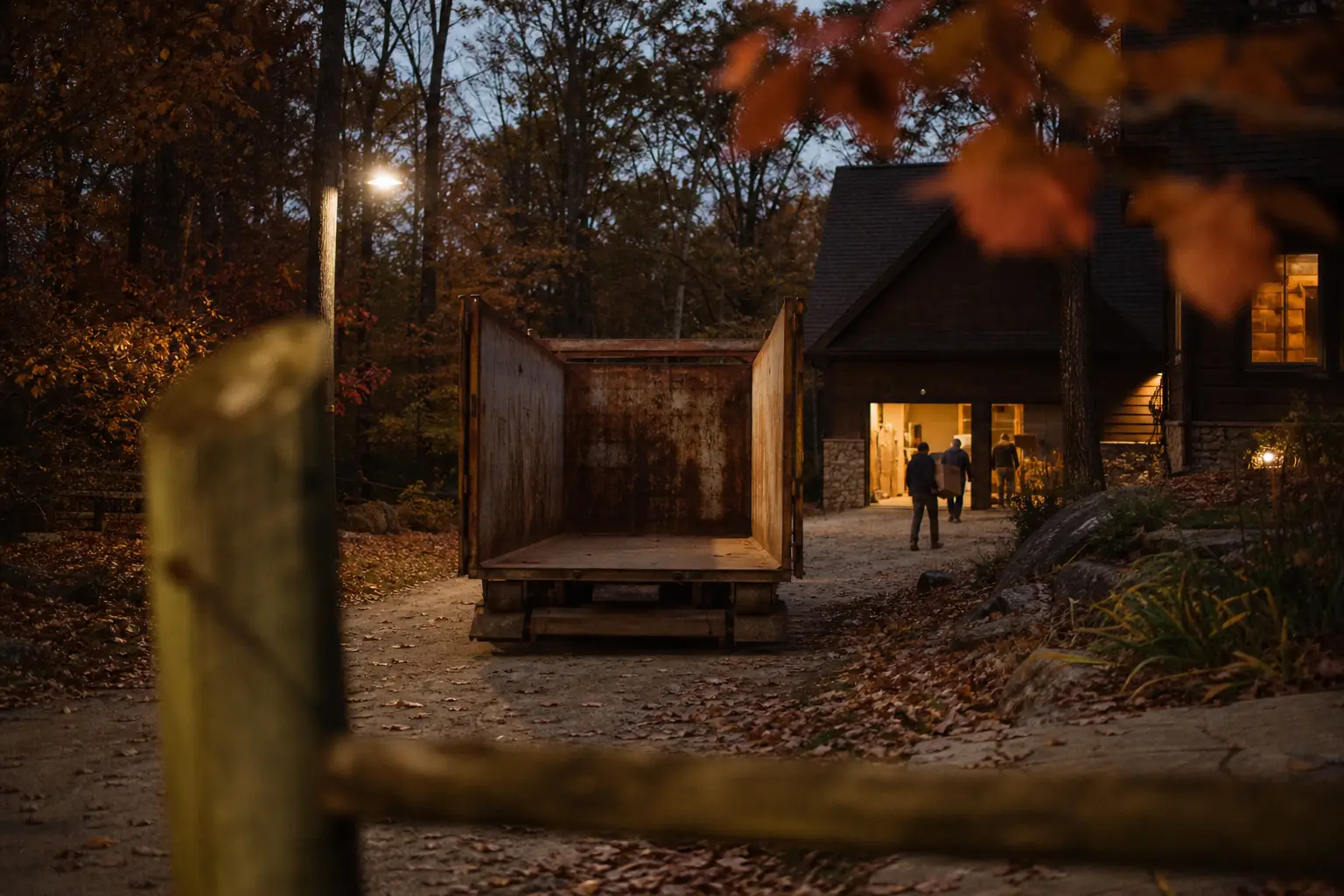
A Farmington driveway is usually the first placement choice, but it still needs a firm surface, a workable approach, and enough room for the truck to lower the container without striking branches, siding, vehicles, or utility lines. Older homes may have shorter drives, detached garages, mature trees, and narrow side access. Newer subdivisions can offer more pavement but still have curbs, parked cars, and limited turning space. A container on a public street usually needs town permission first; tell the crew where it has to sit and they will explain what applies. The street grade, curb position, drainage edge, and nearby traffic all affect whether that location is sensible. Do not place the container over a drain, across a sidewalk, or where it blocks emergency access.

Before delivery, move vehicles and loose objects from the approach, unlock any gate, and identify anything that must remain reachable. The truck needs a clear route, adequate vertical clearance, and enough lateral room to align with the planned drop point. Wet spring ground and freeze-thaw damage can make a shoulder or soft side yard unsuitable even when it looks level. If the driveway is sloped, cracked, freshly paved, or bordered by retaining features, mention it before scheduling. The placement check is not a formality. It helps determine whether driveway protection is appropriate, whether an alternate location is safer, and whether the property is ready for the container. Farmington’s compact residential streets call for more planning than an open commercial lot.

Choose a firm placement area that does not cover drains, sidewalks, or required access.

Measure overhead clearance around trees, wires, garages, and building edges.

Clear parked vehicles and loose objects before the agreed delivery window.

Material and size

How Farmington homes change the size and weight decision

Farmington’s housing mix changes what a cleanup produces. Older houses often generate plaster, lath, wood trim, masonry, and layers of flooring during renovation. Mid-century and later homes may produce cabinets, drywall, carpet, packaging, and fixtures. A garage cleanout is mostly bulky household material, while a kitchen project can combine dense cabinets, counters, tile, and demolition debris. Volume matters because irregular pieces leave air gaps, but weight matters more for concrete, brick, roofing, soil, and wet materials. That is why a container that appears large enough may still be wrong for the load. Describe the building area, the material being removed, and whether debris will be broken down before selecting a tier.

Farmington’s winter freeze and thaw can also affect the job. Wet cardboard, saturated yard debris, and muddy soil become heavier and harder to load safely. Roofing work produces compact, dense layers that should be discussed separately from a light household cleanout. For a bathroom or flooring project, a smaller container may fit if materials are sorted and stacked carefully. For a whole-house move or substantial remodel, bulky furniture and long pieces may need more volume even when they are not especially heavy. The practical decision is the container that fits both the debris and the property. Keep heavy material low, avoid overfilling, and have a realistic list ready before delivery.

Older plaster, masonry, and roofing can reach weight limits before the container looks full.

Bulky furniture and flooring consume volume through irregular shapes and air gaps.

Separate soil, concrete, brick, and wet debris from ordinary household loading plans.

Related needs

Other site services Farmington customers may need

How it works

A practical dumpster rental process for Farmington jobs

  1. Describe the work

    Start with the project type, material list, approximate amount, and expected loading period. Mention concrete, roofing, soil, appliances, or other dense items early. The crew can then separate volume questions from weight questions and steer you away from a container that is too small or unsuitable.

  2. Review the placement

    Identify the driveway, side yard, lot, alley, or street area where the container may sit. Farmington properties differ in width, slope, trees, curbs, and overhead clearance. The placement discussion covers surface condition, truck approach, gate access, and any permission that may be needed for public space.

  3. Confirm the container

    Once the material and site are understood, select the tier that fits the job. The largest option is not automatically the best option, especially for heavy debris or a tight driveway. You will receive a clear plan for delivery, loading expectations, and pickup coordination.

  4. Prepare the area

    Move vehicles and loose objects, unlock gates, protect anything that must remain accessible, and keep the approach clear. Do not assume a truck can turn where a passenger car can. Tell the crew about recent rain, soft ground, construction equipment, or changed access conditions.

  5. Load and coordinate pickup

    Load material evenly and keep it below the agreed fill line. Do not place prohibited items or let debris hang over the sides. When the project is ready for pickup, provide the current site condition and access details so removal can be coordinated without disrupting remaining work.

Why local details matter

What Lucinda Dumpster Rental checks before delivery

  1. Placement is part of the service

    A container cannot simply be dropped wherever it looks convenient. The truck needs a workable approach, enough overhead clearance, and a surface that can support delivery. Lucinda Dumpster Rental discusses the exact placement and documents the driveway protection and checks completed around it. That is useful on older Farmington driveways, narrow side approaches, and properties where landscaping or parked vehicles restrict the route.

  2. The material changes the answer

    A full container of cardboard is not the same load as a partly filled container of concrete or roofing tear-off. Weight, density, moisture, and how the debris stacks all matter. Describing the material accurately prevents a volume-only choice that creates trouble later. If the lighter, smaller option fits the job, the crew will say so rather than pushing a larger container.

  3. Scheduling follows the real site

    Delivery and pickup depend on the container, route, access, and readiness of the property. Lucinda Dumpster Rental coordinates 24/7, Monday to Sunday, but an arrival time still needs to be confirmed for the specific request. A scheduled window is most useful when the driveway is clear, the loading area is defined, and changes are reported before the truck is dispatched.

Service standards

Simple rules keep the job moving

  • Describe dense materials before the container size is finalized.
  • Keep the delivery approach clear of vehicles, equipment, and loose objects.
  • Place debris below the rim and distribute heavy material evenly.
  • Tell the crew when gates, slopes, trees, or overhead wires affect access.
  • Never assume public-street placement is allowed without checking what applies.
  • Separate prohibited materials before loading begins at the property.
  • Protect retained items by defining the work area before delivery.
  • Confirm pickup conditions if the site changes during the project.

Common questions

Answers before you schedule a dumpster

How much does dumpster rental cost in Farmington?

Dumpster rental cost depends on the container size, rental period, delivery access, material type, weight, and pickup needs. Heavy debris such as concrete, soil, brick, and roofing can change the practical choice even when the volume seems modest. Farmington driveway slope, street placement, and access may also matter. Have the project address, material list, preferred location, and timing ready so the crew can explain the options clearly.

What dumpster size do I need for a home renovation?

The right size depends on the rooms involved, the material removed, and whether debris is bulky or dense. A bathroom or light flooring project may need less space than a kitchen renovation with cabinets, tile, counters, and packaging. Farmington homes with compact driveways may also favor a smaller workable tier. Describe the project area, demolition material, and loading method before choosing the container.

Can a dumpster go on my Farmington street?

A dumpster may be placed on a Farmington street only when the location is allowed and any required town permission has been addressed. Driveways are often simpler, but curb position, traffic, sidewalk access, drainage, and truck approach still matter. Tell the crew the exact street location and property conditions. Do not reserve public space or block access until the placement requirements are understood.

Can I put concrete in a dumpster?

Concrete can sometimes be accepted, but it must be discussed before delivery because concrete, brick, block, and asphalt become heavy quickly. The container may need a specific loading plan and a lower practical fill level. Farmington renovation sites should also account for driveway strength and truck access. Estimate the slab thickness and area being removed, then provide that information before selecting a container.

How quickly can a dumpster be delivered?

Delivery timing depends on current container availability, route capacity, access, placement readiness, and the material being loaded. Same-day service cannot be guaranteed for every request, even though Lucinda Dumpster Rental coordinates 24/7, Monday to Sunday. Farmington customers should provide the address, desired tier, project start, and clear placement details. A confirmed window is more useful than an unsupported promise.

What should I do before the dumpster arrives?

Clear vehicles, equipment, branches, loose objects, and other obstacles from the agreed approach and placement area. Unlock gates, protect items that must remain accessible, and identify overhead wires or low branches. Farmington driveways can be narrow or sloped, so do not rely on a passenger car’s turning path. Have the surface condition, access changes, and material list ready for the delivery discussion.

Can I leave a dumpster on my driveway during a remodel?

Yes, a driveway can often be used during a remodel when the surface, approach, clearance, and placement all work for the delivery truck. Protection and placement checks should be discussed before the container arrives. Older Farmington pavement, recent repairs, slopes, landscaping, and tight garage approaches deserve special attention. Keep the container area clear and report changed access or worsening ground conditions before pickup.

What cannot go in a dumpster?

Items that create environmental, safety, fire, or handling problems may be prohibited, including certain chemicals, fuels, pressurized containers, batteries, medical materials, and other regulated waste. Accepted materials can vary by container and disposal arrangement. Farmington customers should identify unusual items before loading rather than hiding them beneath ordinary debris. Keep questionable materials separate and provide the full list during scheduling.

Plan the job

Talk through your Farmington dumpster placement

A useful call starts with facts: the property address, project type, material, estimated volume, placement surface, and desired schedule. Lucinda Dumpster Rental can discuss the container tier, access concerns, loading limits, and pickup coordination 24/7, Monday to Sunday. The more accurately you describe the site, the fewer avoidable surprises remain.

Phone

(989) 934-7850

The call covers container size, accepted materials, placement, driveway protection, delivery coordination, and pickup planning.

Availability

24/7
Monday to Sunday, day and night

Have this ready

  • Property address and placement area
  • Project dates and loading period
  • Material list and heavy debris details
  • Gate, driveway, street, and access conditions

Where we work

Farmington, plus Farmington Hills, Novi, Southfield, Livonia, Northville, Franklin, Beverly Hills, Plymouth, Bloomfield Hills and Westland.

See the full service area list

Get the container plan right before work starts

Tell Lucinda Dumpster Rental what you are removing, where the container must sit, and when the property will be ready. The crew will help separate a sensible size choice from a costly oversized or unsuitable one.

Click Here to Call(989) 934-7850

Nearby coverage

Dumpster service around Farmington and nearby communities

Lucinda Dumpster Rental serves Farmington properties and coordinates work across nearby Oakland and western Wayne County communities. Coverage includes Farmington Hills, Novi, Southfield, Livonia, Northville, Franklin, Beverly Hills, Plymouth, Bloomfield Hills, and Westland. Placement, access, material, and scheduling still need to be reviewed for each address, especially where streets, driveways, commercial lots, or construction staging areas differ.

Downtown FarmingtonFarmington Road corridorShiawassee Park areaFarmington Hills border

Dumpster Rental in nearby towns

Click Here to Call(989) 934-7850